
 Air-to-water heat pumps
 Ground source heat pumps
 Ventilation
 Cooling
 Water and sewerage
 Heat distribution
Cooling with a heat pump
Use your existing heat pump for cooling.
Underfloor cooling
Capacity up to 30 W/m2
Advantages:
- Comfortable indoor climate
- No draughts
- Low acquisition cost when used with an air-to-water heat pump
- Passive cooling possible (no electricity consumption for cooling)
- Low running costs
- No visible cooling units in rooms
Disadvantages:
- Limited capacity
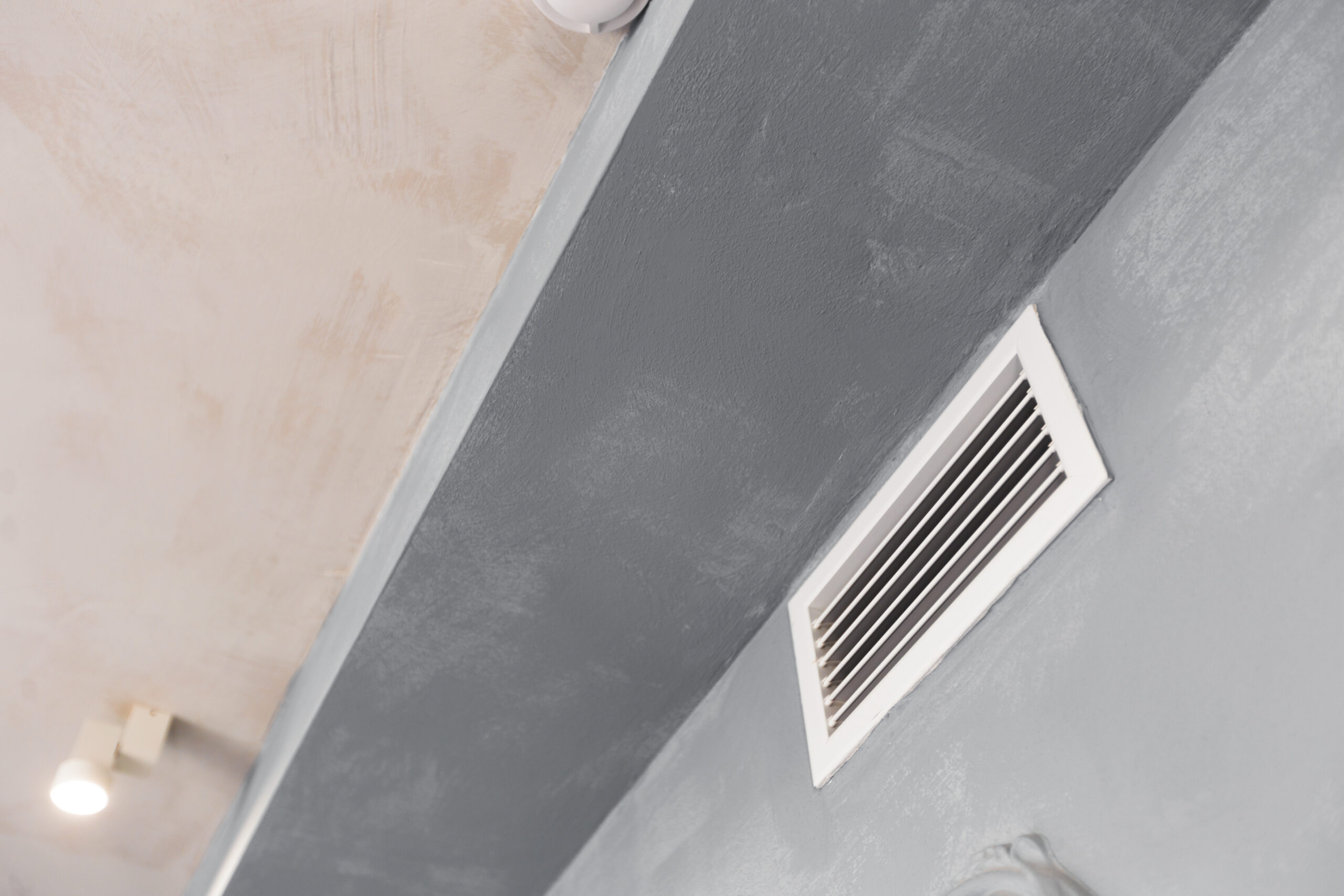
Air cooling
Fan coil units, wall-mountable, ceiling- mountable, ducted. No capacity limitations.
Advantages:
- Flexible options and designs
- Indoor units available in different designs or fully concealed
- Can be installed in any building
- Sufficient capacity even for those who prefer a cooler environment
Disadvantages:
- Movement of cold air
- Higher acquisition cost compared with underfloor cooling
- Indoor units usually visible
- Concealed units require a suspended ceiling
- Passive cooling is not possible

Ventilation cooling
Capacity is limited by ventilation airflow.
Advantages:
- Lower acquisition cost compared with air cooling
- No separate visible indoor units
- Less air movement than with air cooling
Disadvantages:
- Limited cooling capacity
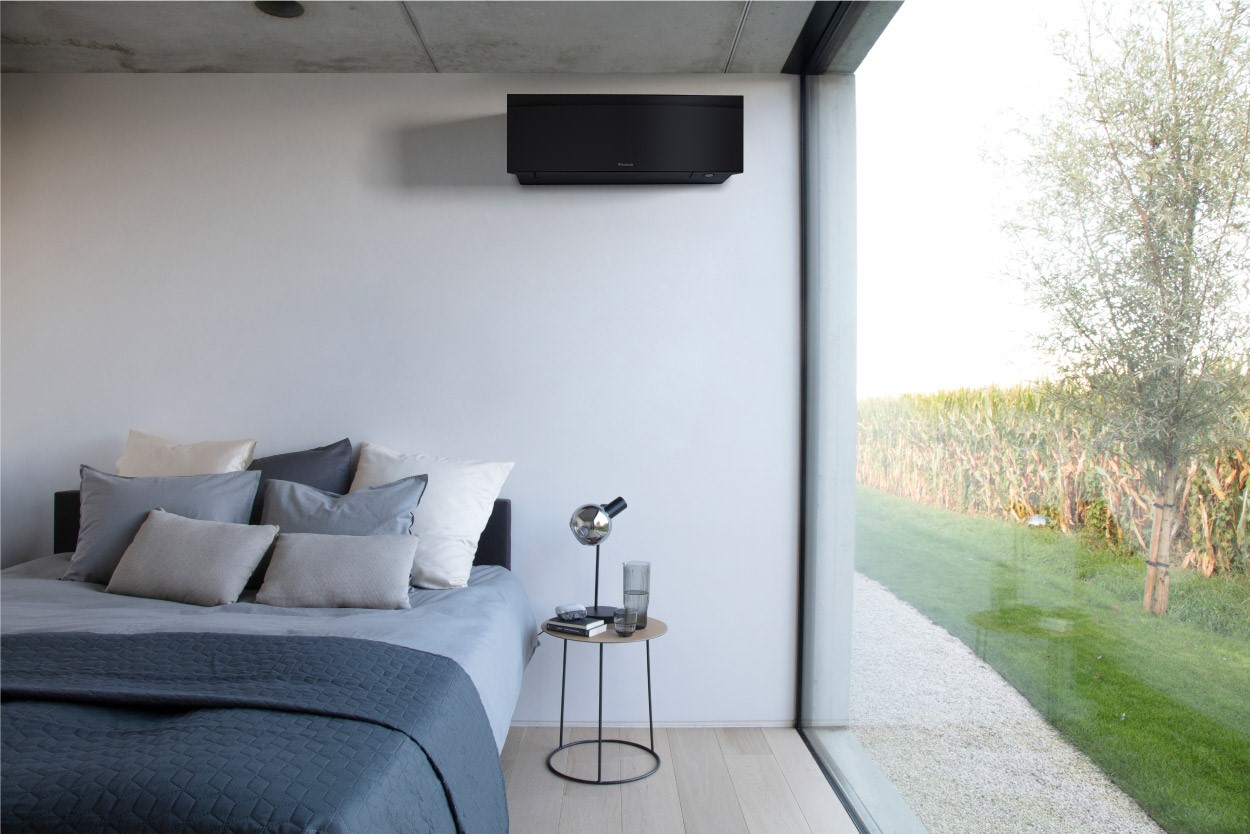
Cooling with a separate device
1 + 1 system
Capacity depends on the selected unit.
Advantages:
- Does not require an existing heat pump
- Simple and cost-effective installation
Disadvantages:
- Cools only the area where the indoor unit is located
- Movement of cold air
- Indoor cooling unit is visible
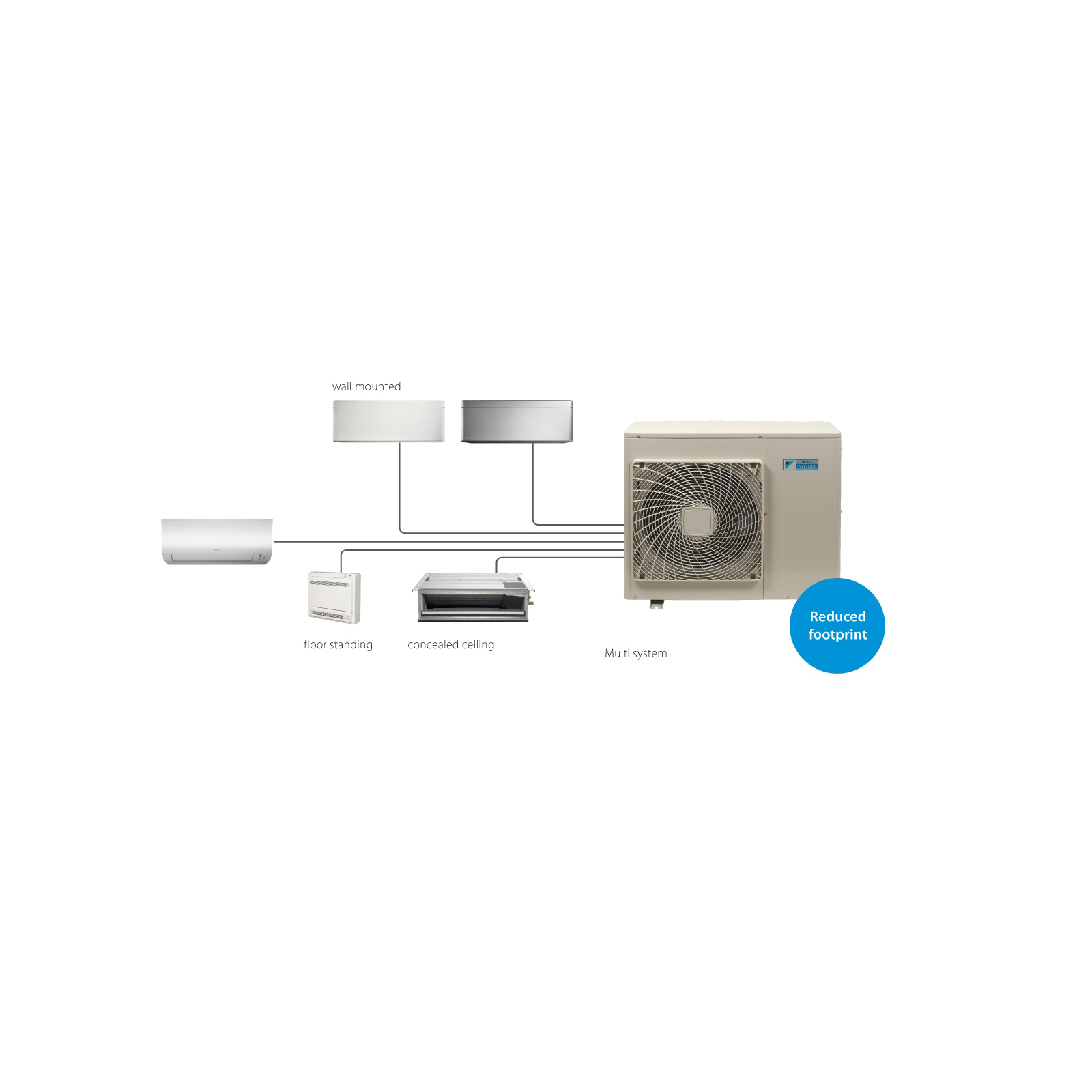
Split / Multisplit
Capacity depends on the selected unit.
Advantages:
- Does not require an existing heat pump
- Multiple indoor units allow cooling of all rooms
- Sufficient capacity even for those who prefer a cooler environment
Disadvantages:
- Movement of cold air
- Higher acquisition cost
- Indoor cooling units are visible